Imagine standing in your kitchen, the warmth of the oven wrapping around you as you prepare a comforting and versatile flatbread that’s not just gluten-free but also incredibly easy to make. With just three simple ingredients, this flatbread is not only a staple for your favorite dips and spreads but also a canvas for endless flavor possibilities. Whether you’re enjoying a cozy night in or hosting guests, this irresistible flatbread is bound to elevate any meal, making it a must-have in your recipe repertoire. The aroma of freshly cooked bread wafting through your home will transport you to your favorite bakery, all without the hassle and with minimal ingredients!
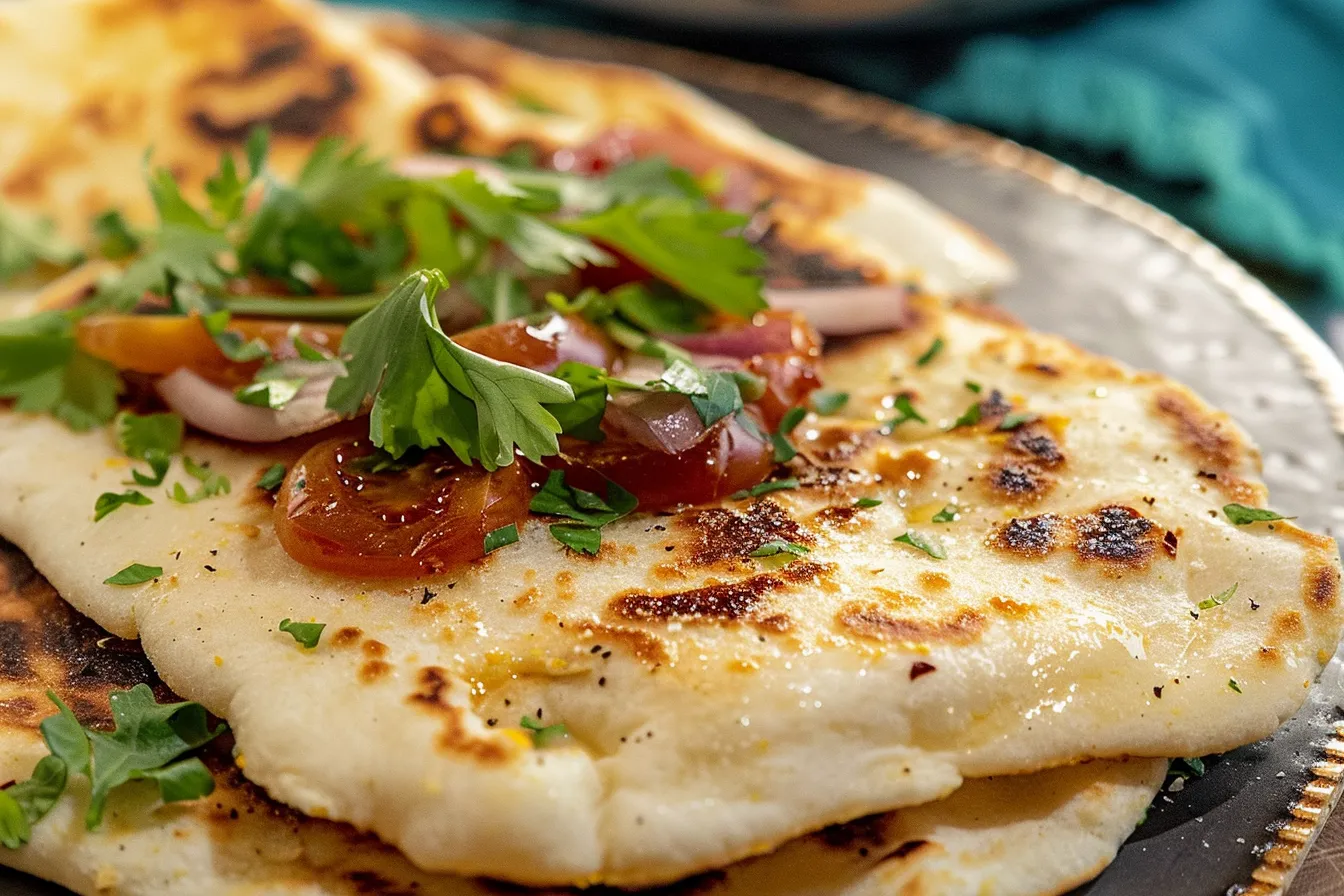
This flatbread has become a personal favorite of mine, especially during the busy school week when quick meal solutions are essential. The first time I whipped up this recipe, I was thrilled to find it not only gluten-free but also perfect for roll-ups, sandwiches, or simply enjoying with a dollop of hummus. As a foodie and recipe developer, I’m always searching for convenient yet delicious meals that cater to various dietary needs. Recently, this flatbread has gained popularity across social media platforms, showcasing its versatility for everything from savory to sweet profiles, resonating with health-conscious eaters and busy parents alike.
Rice Flour
Rice flour serves as the backbone of this flatbread. Naturally gluten-free, it provides a light and airy texture that mimics traditional bread without the heaviness. It’s also rich in vitamins and minerals. For those on a budget, consider using a finer variety of rice flour to achieve a softer texture, or you can substitute with gluten-free all-purpose flour, which often contains a blend of starches and flours for optimal texture.
Water
Water might seem simple, but it plays a crucial role in binding the dry ingredients and helping them achieve the desired dough consistency. Adjusting the amount of water used can manipulate the dough’s pliability, making it easier to roll out. If you’re looking to add some flavor, think about using vegetable broth or yogurt instead.
Salt
Salt is essential for enhancing the flavors of your flatbread. A small amount elevates the overall taste, accentuating the other ingredients. If you need to control your sodium intake, using a low-sodium option or even herbs can add flavor without compromising health needs.
Making Your Flatbread
Creating this gluten-free flatbread is as simple as mixing, rolling, and cooking. Start by combining your rice flour and salt in a bowl. Gradually add water while stirring until a dough forms; it should be slightly tacky but manageable. Knead it gently on a floured surface for a minute or so until smooth. Divide the dough into equal portions, and roll each piece into a circle about ¼-inch thick.
Next, heat a non-stick skillet or grill over medium-high heat. Once hot, carefully place a rolled-out flatbread onto the skillet. Cook for 2-3 minutes on each side, or until golden brown and slightly puffy. The aroma will be inviting, coaxing you to take that first bite. Repeat the process for the remaining dough, stacking the cooked flatbreads on a plate, covered with a kitchen towel to keep they warm and soft.
Expert Tips
To achieve the perfect gluten-free flatbread texture, ensure your skillet is properly heated before cooking. If you’re aiming for a more rustic feel, try leaving the edges uneven. This enhances the homemade charm and elevates presentation. If you notice your flatbreads are too dry, add a touch more water to the remaining dough. For those adventurous in the kitchen, consider adding spices or herbs directly into the dough for an extra flair.
Storage & Substitutions
Properly storing your flatbread is easy. Place any leftover flatbreads in an airtight container at room temperature for up to 3 days. If you want to keep them for longer, consider freezing them. Simply layer the flatbreads with parchment paper and store them in a freezer-safe bag for up to a month. To reheat, simply warm them in a skillet or microwave briefly for that fresh-out-of-the-pan taste. You can swap out rice flour for other gluten-free flours like almond or oat flour if you’re looking to experiment, keeping in mind it might affect the final texture.
How do I make this recipe ahead?
You can prepare the dough in advance and store it in the refrigerator for a day or two, ready to roll and cook whenever you’re ready for a quick meal. The cooked flatbreads can also be made ahead and simply reheated when needed.
Can I use different types of flour?
Yes! While rice flour works beautifully, feel free to experiment with other gluten-free flours like oat or sorghum flour. Each type will bring its unique flavor and texture to the flatbread.
What can I serve with gluten-free flatbread?
This flatbread pairs wonderfully with a variety of dips such as hummus or tzatziki, or you can use it as a wrap for grilled vegetables, chicken, or falafel. Its versatility makes it suitable for both appetizers and main courses.
Is this flatbread suitable for a vegan diet?
Absolutely! This recipe is naturally vegan since it contains no animal products. You can enjoy it guilt-free while catering to plant-based diets.
How can I add different flavors to my flatbread?
Incorporate herbs like rosemary, thyme, or spices such as garlic powder or paprika into the dough to give your flatbread a flavorful twist. You can also brush the cooked flatbreads with olive oil and sprinkle additional seasonings before serving.
What if my dough is too sticky?
If the dough is overly sticky, gradually sprinkle in more rice flour while kneading until you reach a smooth, workable consistency. Remember, the aim is a slightly tacky dough that holds together without falling apart.
As you embrace the journey of making this gluten-free flatbread, take the time to enjoy the simple process. Discovering and perfecting this recipe can transform your meal times, bringing a sense of warmth and connection to your kitchen. Experiment with flavors, pair it with your favorite dishes, and share your creations with friends and family to cultivate delightful moments and cherished memories. I’d love to hear how you enjoyed this flatbread, what variations you tried, and your favorite pairings. Don’t forget to save this recipe for easy reference and share your thoughts in the comments below!
- Delicious Gluten-Free Dips to Try
- Easy Homemade Hummus Recipes
- Exploring Gluten-Free Baking Techniques
Keep an eye out for seasonal variations of this flatbread, as it can easily adapt to showcase fresh herbs or vegetables that accompany the changing seasons!
Print3-Ingredient Gluten-Free Flatbread

Create the best 3Ingredient GlutenFree Flatbread with this easy recipe tested in my Texas kitchen Its ready in just 15 minutes Try this recipe
- Prep Time: 10 minutes
- Cook Time: 6 minutes
- Total Time: 16 minutes
- Yield: 4 flatbreads
- Category: Bread
- Cuisine: Gluten-Free
Ingredients
- 200 grams of rice flour
- 120 ml of water
- 1 teaspoon of salt
Instructions
- Combine rice flour and salt in a bowl.
- Gradually add water while stirring until a dough forms.
- Knead gently on a floured surface for about 1 minute until smooth.
- Divide the dough into equal portions and roll each piece into a circle about ¼-inch thick.
- Heat a non-stick skillet over medium-high heat.
- Cook each flatbread for 2-3 minutes on each side until golden brown and puffy.
- Stack cooked flatbreads on a plate covered with a kitchen towel.
Notes
A comforting and versatile gluten-free flatbread made with just three simple ingredients. Perfect for dips, wraps, and more!