There’s something truly magical about a pan of sautéed vegetables. The moment those vibrant pieces hit the hot skillet, the sizzle dances through the air like a symphony of flavors waiting to unfold. The enchanting aroma instantly takes you back to family dinners where the table was laden with colorful, nutrient-rich vegetables. Eating fresh produce has never felt more essential, especially as we navigate the demands of our busy lives. As the seasons change, so do our cravings, and lately, the desire for light, healthy meals has surged. Imagine the sweet crunch of bell peppers, the earthiness of roasted zucchini, and the bright zing of fresh herbs on your plate—these sautéed beauties not only nourish your body but also lift your spirit with their rich colors and fresh flavors.
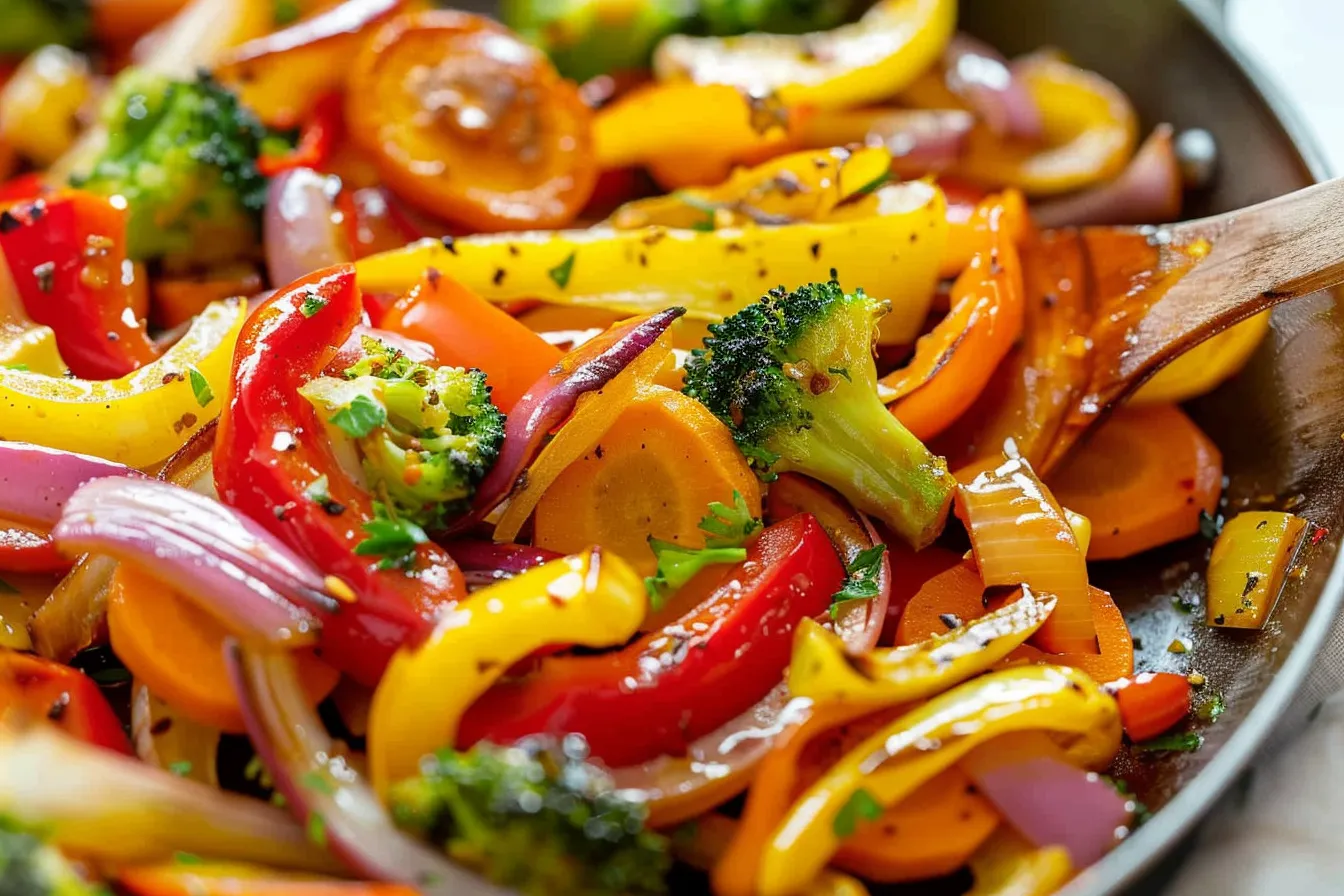
My love affair with sautéed vegetables began in my grandmother’s kitchen, where she taught me that cooking is an expression of love and creativity. We used seasonal produce from her garden, an experience that molded my appreciation for fresh ingredients. Over the years, I’ve experimented with different combinations and techniques, honing my skills in a way that matches current trends and seasonal flavors. From incorporating the latest culinary innovations to employing tips from professionals in the field, my goal has always remained the same: to create a dish that is not only delicious but also promotes a healthy lifestyle. As we delve deeper into this recipe, prepare to unlock the ultimate way to sauté vegetables that will have your taste buds dancing with joy.
Fresh Produce Selection
- Bell Peppers: Vibrant and crunchy, they add sweetness and a pop of color.
- Zucchini: Smooth and tender, it absorbs flavors beautifully.
- Carrots: Their natural sweetness complements the savoriness of other vegetables.
- Broccoli: Offers a satisfying crunch and is rich in vitamins.
- Onion: Provides a savory foundation and sweet undertones when caramelized.
For those with specific dietary needs, feel free to adapt the ingredient list. Swap bell peppers for sweet potatoes for a heartier version or use frozen vegetables if you’re short on fresh produce. Likewise, switching to olive oil or avocado oil ensures this dish remains vegan and packed with healthy fats without sacrificing flavor.
Instructions for the Perfect Sauté
Begin by preparing your vegetables. Wash them thoroughly and slice them into evenly sized pieces to ensure even cooking. For instance, cut bell peppers into strips, zucchini into half-moons, and carrots into thin rounds. Aim for a bite-sized consistency that allows for quick cooking and a pleasing texture.
Heat a large skillet over medium-high heat and drizzle in your oil, allowing it to shimmer slightly before adding the vegetables. Start with the vegetables that take the longest to cook—like carrots and onions—sautéing them until they begin to soften. After about two minutes, introduce the zucchini and bell peppers. Stir occasionally, letting the vegetables mingle and absorb each other’s flavors.
Once the zucchini begins to turn golden and the bell peppers are vibrant, sprinkle in salt, pepper, and any herbs you’re using—thyme and basil work wonders here. Continue sautéing for another three to four minutes until everything is tender, yet crisp. Remember, keeping some crunch is crucial for both texture and flavor.
Finally, finish with a splash of lemon juice or balsamic vinegar to elevate the dish, bringing out the natural sweetness of your sautéed vegetables. This adds brightness, making each bite an explosion of flavor.
Expert Tips for Perfect Sautéed Vegetables
For those who want to refine their technique, here are some proven tips:
- Pat the vegetables dry before cooking to enhance caramelization.
- Don’t overcrowd the pan. If necessary, cook in batches to allow the vegetables to brown properly.
- Experiment with different herbs to match seasonal flavors. Fresh herbs can make a significant difference.
- For an added kick, consider incorporating garlic or ginger at the last minute to keep their flavors bright.
- If you enjoy spicy dishes, a sprinkle of red pepper flakes sets your sautéed vegetables on fire!
Always keep an eye on the pan. Overcooking diminishes the nutrients and can lead to a mushy texture. Instead, strive for al dente, where your vegetables have a nice crispness.

How to Store and Adapt Your Sautéed Vegetables
Storing your sautéed vegetables is a breeze. Allow them to cool completely before transferring them to an airtight container. In the refrigerator, they’ll maintain their quality for about three to four days. You can also freeze them for longer storage; just remember to use freezer-safe containers to avoid freezer burn, ensuring their vibrant colors and flavors are preserved.
Reheating sautéed vegetables is best done in a skillet over low heat to maintain their texture. If you’re short on time, you can pop them in the microwave. Just keep in mind that they may lose some of their crunch.
Adapt this recipe based on whatever vegetables are in season or available. Swap in your favorites—green beans, asparagus, or cauliflower can all transform this dish into something uniquely yours.
Can I make this recipe ahead of time?
Absolutely! You can prepare the vegetables a day ahead. Just store them in the refrigerator and sauté them shortly before serving to keep them fresh and colorful.
What are some great side dishes to pair with sautéed vegetables?
Sautéed vegetables complement many dishes beautifully. Try pairing them with grilled chicken, fish, or a hearty grain like quinoa. They also work wonderfully as a filling for wraps or tacos.
How do I keep my veggies from getting soggy?
To prevent sogginess, avoid overcrowding the pan and ensure the vegetables are dry before cooking. Cook them over medium-high heat for the best results.
Can I incorporate leftover vegetables into this dish?
Definitely! Sautéing leftover or near-expired vegetables works wonders. Just add those that need the least cooking time towards the end to account for texture differences.
What oil is best for sautéing vegetables?
Using oils with high smoke points, like avocado oil or grapeseed oil, will yield the best flavor while preventing burning. However, olive oil adds a great richness.
Is it possible to make this dish in a single pan?
Yes! The beauty of sautéed vegetables lies in their versatility. You can prepare a full meal in one pan by adding protein like chicken or tofu to the mix.
Embrace the Joy of Healthy Eating
As you savor the richness of sautéed vegetables, let this dish remind you of the joys of cooking with fresh, vibrant ingredients. Each colorful bite reflects a commitment to health and taste, a philosophy worth sharing with family and friends. I hope you find this recipe as delightful as I do and that it becomes a staple in your kitchen. Please feel free to share your own variations in the comments below, and don’t forget to save this recipe for your next cooking adventure!
By incorporating seasonal produce, exploring new herbs, and experimenting with textures, your kitchen can evolve into a haven for healthy and delicious meals. Here’s to many satisfying sauté sessions ahead!
PrintEasy Sauted Vegetables Recipe

Saut your way to flavor with my Easy Ultimate Sauted Vegetables Ready in 15 minutes and familyapprovedmy kids love this dish Try this recipe
- Prep Time: 10 minutes
- Cook Time: 15 minutes
- Total Time: 25 minutes
- Yield: 4 servings
- Category: Side Dish
- Cuisine: Global
Ingredients
- 2 bell peppers, sliced
- 1 medium zucchini, sliced
- 2 medium carrots, sliced
- 1 cup broccoli florets
- 1 onion, sliced
- 2 tablespoons olive oil
- Salt to taste
- Pepper to taste
- Fresh thyme and basil, to taste
- 1 tablespoon lemon juice or balsamic vinegar
Instructions
- Wash and slice the vegetables into evenly sized pieces.
- Heat a large skillet over medium-high heat and drizzle in olive oil.
- Add carrots and onions, sautéing until they begin to soften (about 2 minutes).
- Introduce zucchini and bell peppers, stirring occasionally.
- Once zucchini turns golden and bell peppers are vibrant, season with salt, pepper, and herbs.
- Sauté for another 3-4 minutes until everything is tender, yet crisp.
- Finish with a splash of lemon juice or balsamic vinegar.
Notes
Discover the ultimate way to sauté vegetables that nourish your body and spark joy. With vibrant colors and fresh flavors, this recipe is both delicious and healthy.