Spring is my absolute favorite time of year, and not just for the beautiful blooms! It’s when the rhubarb patch in my garden comes alive, and I know it’s time for some serious baking. There’s something so comforting about taking those tart, vibrant stalks and turning them into a sweet treat. These Homemade Rhubarb Shortbread Bars are a recipe I look forward to making every single year, and they always bring a smile to everyone’s face. They’re the perfect balance of buttery shortbread and a sweet-tart rhubarb filling.
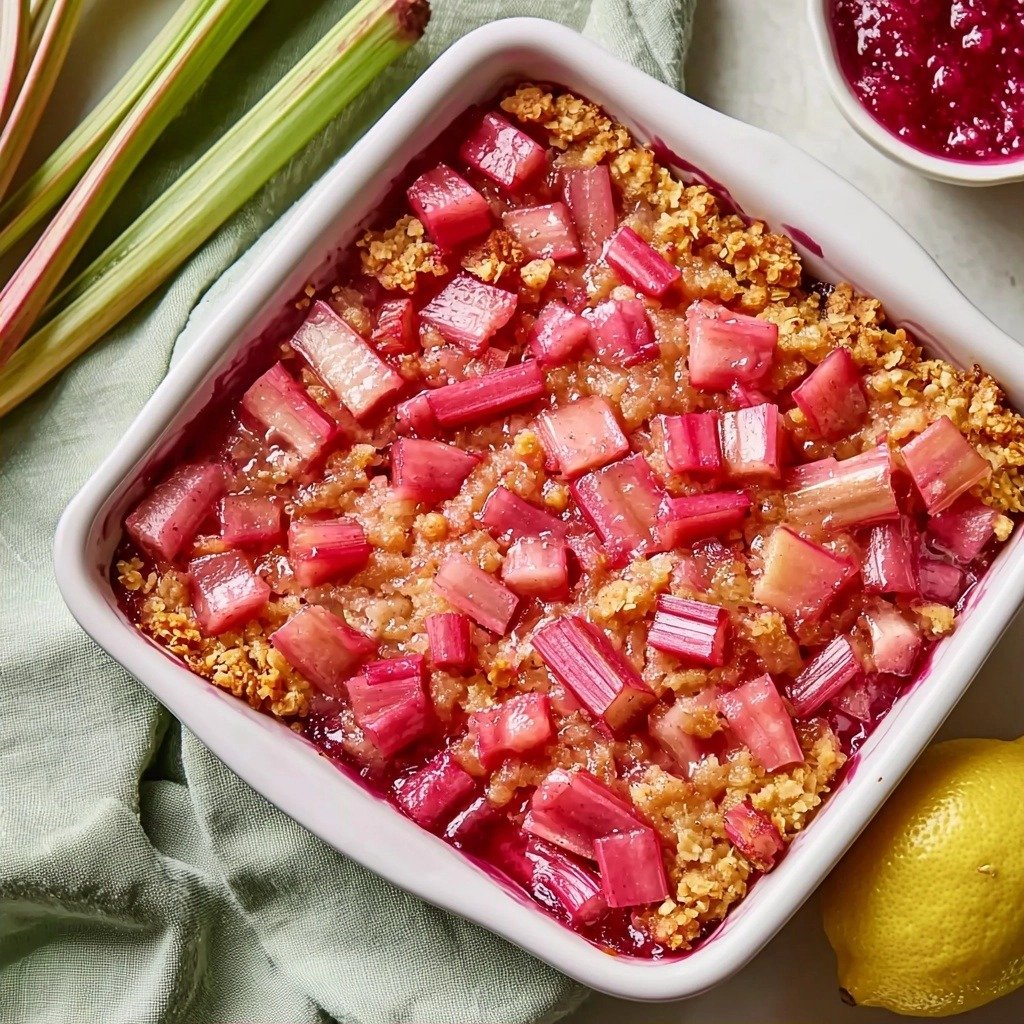
Why You’ll Love This Homemade Rhubarb Shortbread Bars
- Perfectly Balanced Flavor: The sweet, buttery shortbread crust is the ideal partner for the tangy rhubarb filling. It’s not too sweet, not too tart!
- Simple to Make: Don’t let the layers intimidate you! This recipe is surprisingly straightforward, even for beginner bakers.
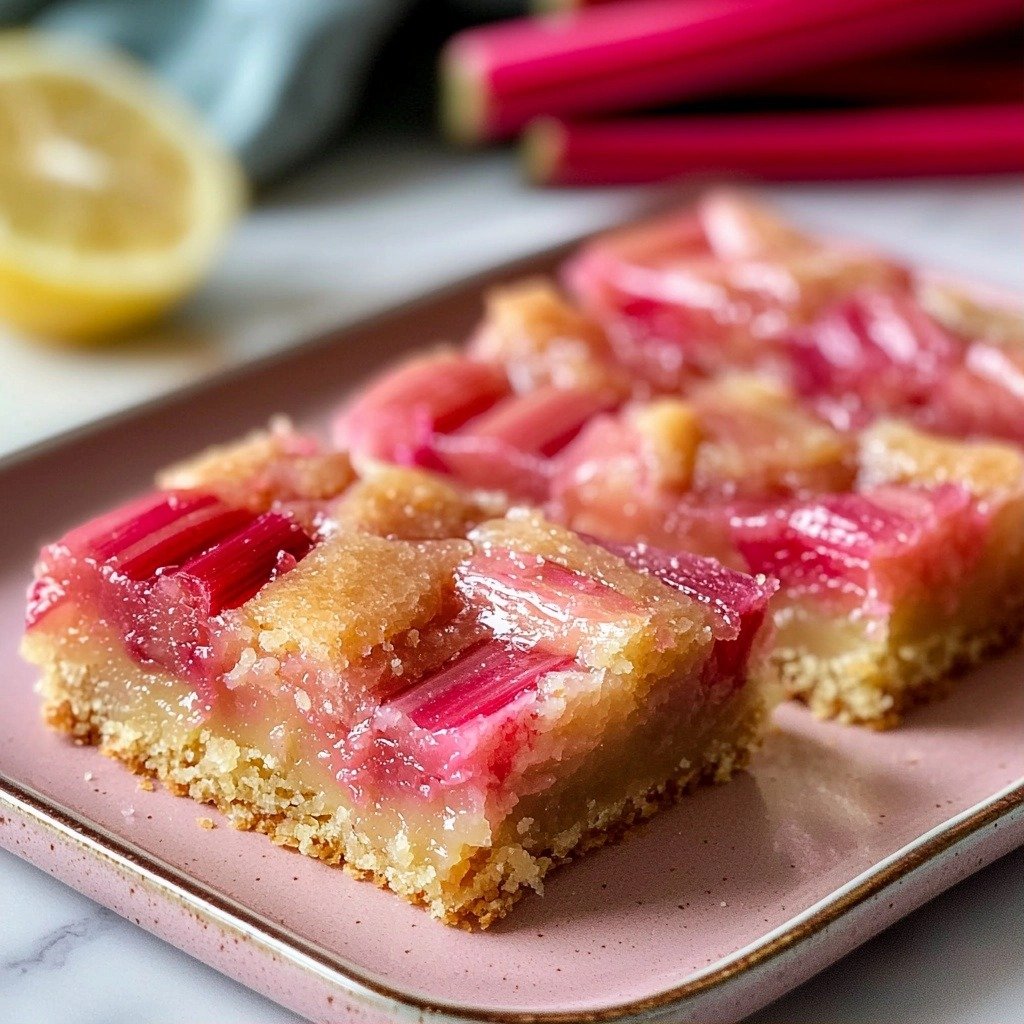
- Wonderful Texture: You get that delightful crumbly shortbread base with a soft, jammy rhubarb topping. So good!
- Great for Any Occasion: Whether it’s a spring brunch, a potluck, or just an afternoon treat with coffee, these bars are always a hit.
Ingredients You’ll Need
- Cold Butter: This is key for the shortbread crust! Keeping it cold and cutting it into small cubes helps create those flaky pockets and that signature crumbly texture. Don’t substitute with softened butter here.
- Confectioners’ Sugar: Also known as powdered sugar, it gives the shortbread a finer, more delicate texture and dissolves easily for a smooth crust. Granulated sugar can make it a bit crunchier.
- Brown Sugar: Adds a lovely depth of flavor and moisture to the rhubarb filling. Light brown sugar is perfect here.
- Room Temperature Eggs: Eggs that are at room temperature emulsify better with the sugars, leading to a smoother, more cohesive filling. If you forget to take them out, place them in a bowl of warm water for 5-10 minutes.
- Rhubarb: The star of the show! Make sure it’s fresh and chopped into small, consistent pieces for even baking.
How to Make Homemade Rhubarb Shortbread Bars Step by Step
First things first, preheat your oven to 350°F. While it’s warming up, you’ll start on that amazing shortbread crust. Grab a bowl and combine your flour, those cold butter cubes, and confectioners’ sugar. Now, this is where the magic happens for that perfect shortbread texture! You can use your fingertips or a pastry cutter to work the butter into the flour mixture. You want it to look like coarse sand with little pea-sized pieces of butter still visible. Don’t worry if it seems a bit crumbly at this stage, that’s exactly right!
Once your crust mixture is ready, press it firmly and evenly into the bottom of your 9×13 inch baking dish. Make sure it’s packed down well; this forms a compact, even layer. Pop it into the preheated oven for 15 minutes. While that’s baking, you can get started on your rhubarb filling. Chop your rhubarb into 1/2-inch pieces and set it aside. In another bowl, whisk together your brown sugar, white sugar, room-temperature eggs, flour, salt, and vanilla extract until it’s smooth and perfectly combined. I always whisk the eggs and sugars together for about 30 seconds first; it really helps the filling come together beautifully.
Now, gently fold your chopped rhubarb into the sugar and egg mixture. Be careful not to crush the pieces too much. When your crust is done baking (it should be set and just lightly golden at the edges), carefully remove it from the oven. Immediately pour the rhubarb filling mixture right over that warm crust, spreading it out evenly to the edges of the pan. Back into the oven it goes for about 40 minutes. You’ll know it’s ready when the filling is set in the center but still has a slight jiggle when you gently shake the pan. It will firm up even more as it cools, so don’t overbake it!
My Top Tips for Success
- Measure Flour Correctly: I always recommend using a kitchen scale for flour to get the most accurate measurement. If you don’t have one, spoon the flour into your measuring cup and level it off with a knife.
- Cold Butter is Crucial: Trust me on this one! For the shortbread, very cold butter creates pockets of steam, resulting in that wonderfully tender and crumbly texture. Don’t let it soften.
- Don’t Skip the Partial Bake: Baking the crust for 15 minutes before adding the filling prevents a soggy bottom and gives your bars a sturdy base.
- Don’t Overmix the Filling: Once the rhubarb is added, gently fold it in. Overmixing can break down the rhubarb too much and change the texture of your filling.
- Cool Completely: I know it’s hard to wait, but allowing the bars to cool completely in the pan is essential. This lets the filling fully set, making for clean cuts and perfect squares.
Common Mistakes to Avoid
- Overworking the Shortbread Dough: If you overmix or overwork the crust dough, you’ll develop the gluten in the flour too much, leading to a tough, dense crust instead of a tender, crumbly one. Work it just until it resembles coarse sand.
- Using Warm Butter for the Crust: Using butter that isn’t cold will result in a greasy, flatter crust that lacks the signature shortbread texture. Always use cold, cubed butter.
- Not Pressing the Crust Firmly Enough: A loosely packed crust will crumble apart when you try to cut the bars. Press it down very firmly and evenly into the pan.
- Cutting the Bars While Warm: The filling needs time to set as it cools. Cutting them warm will result in a messy, gooey situation. Patience is key for clean, beautiful bars.
- Overbaking the Filling: If the filling is completely firm and doesn’t jiggle at all when you take it out, it might be overbaked. It will become too stiff and dry. A slight jiggle means it’s perfect!
How to Store Homemade Rhubarb Shortbread Bars
- Countertop: Store in an airtight container at room temperature for up to 2-3 days.
- Refrigerator: For longer storage, place in an airtight container in the refrigerator for up to 5-7 days.
- Freezer: Wrap individual bars tightly in plastic wrap, then place in a freezer-safe bag or container for up to 2-3 months. Thaw at room temperature before serving.
Frequently Asked Questions
Why is my shortbread crust tough?
Your shortbread crust might be tough if you overmixed the dough. Overmixing develops the gluten in the flour, which makes the crust less tender. Work the butter into the flour just until it forms coarse crumbs.
Can I use frozen rhubarb?
Yes, you can use frozen rhubarb! There’s no need to thaw it first; just add it directly to the filling mixture. You might need to add a few extra minutes to the baking time to account for the extra moisture.
How do I know when the bars are done baking?
The bars are done when the filling is set in the center but still has a slight jiggle when you gently shake the pan. The edges should be lightly golden, and the center will continue to firm up as it cools.
Why did my bars turn out soggy?
Soggy bars can happen if the crust wasn’t par-baked long enough, or if the rhubarb releases too much moisture. Make sure to bake the crust until set, and don’t reduce the amount of flour in the filling, as it helps absorb moisture.
I absolutely adore these Homemade Rhubarb Shortbread Bars, and I really hope you do too! They’re such a perfect way to celebrate spring and enjoy the bounty of fresh rhubarb. Give them a try, and let me know how they turn out!